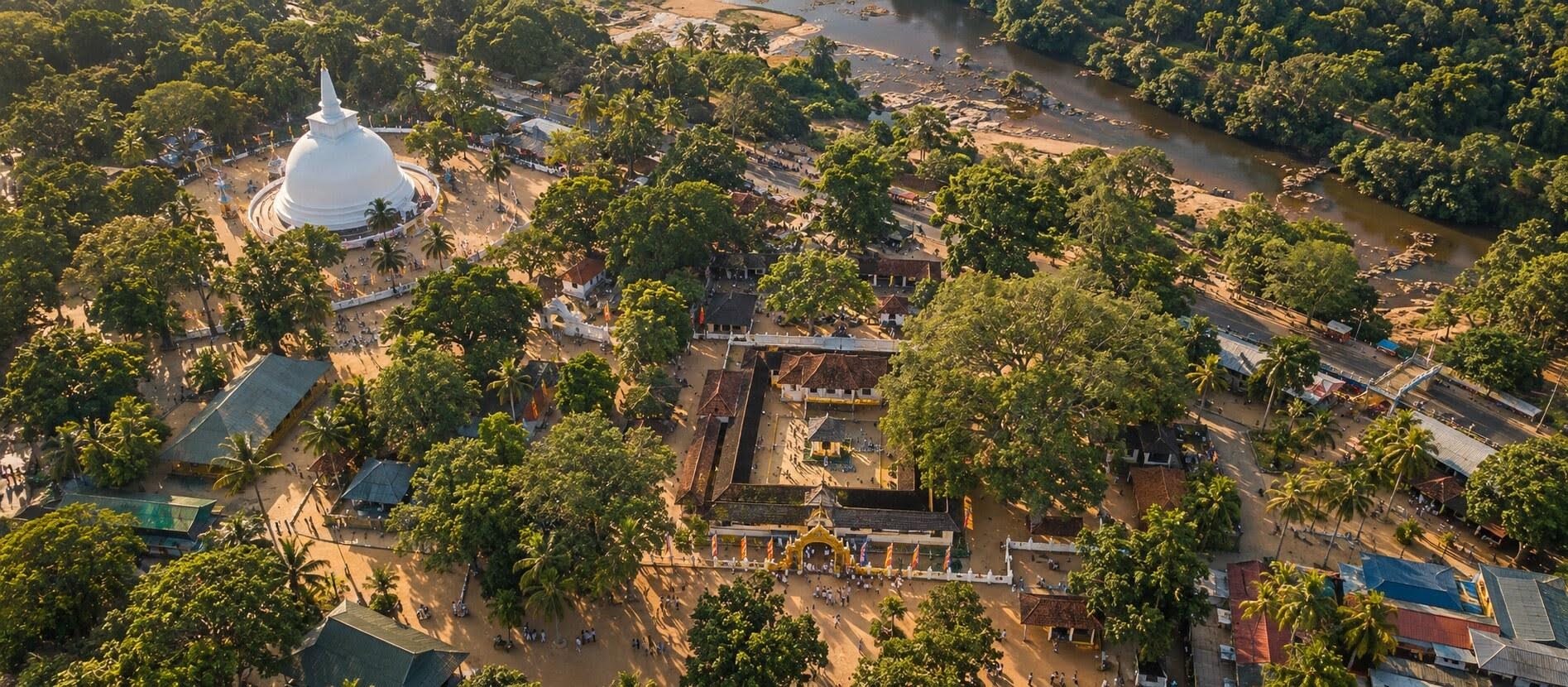
The Magiya team made the trip down to Kataragama last week, on the bus like everyone else. This isn't a "what is Kataragama" post. It's the stuff that makes the day go well, and a reminder that Kataragama isn't a place to rush.
First Things First
The Magiya team made the trip down to Kataragama last week, on the bus like everyone else, and this is what we'd tell a friend who's going. Most of us have been before, some of us every year, so this isn't a "what is Kataragama" post. It's the stuff that makes the day go well. And a reminder, mostly to ourselves, that Kataragama isn't a place to rush. It's less "let's explore" and more "let's just be here for a bit."
It's a proper distance from Colombo, which is why we'll always say take a luxury or super luxury bus if you can. You get off feeling human instead of crumpled, and in a place like this that makes more of a difference than you'd think. And if you're going for the trip rather than the vow, that's fine too. It's still one of the calmest places in the country to spend a day or two.
Start at the Menik Ganga
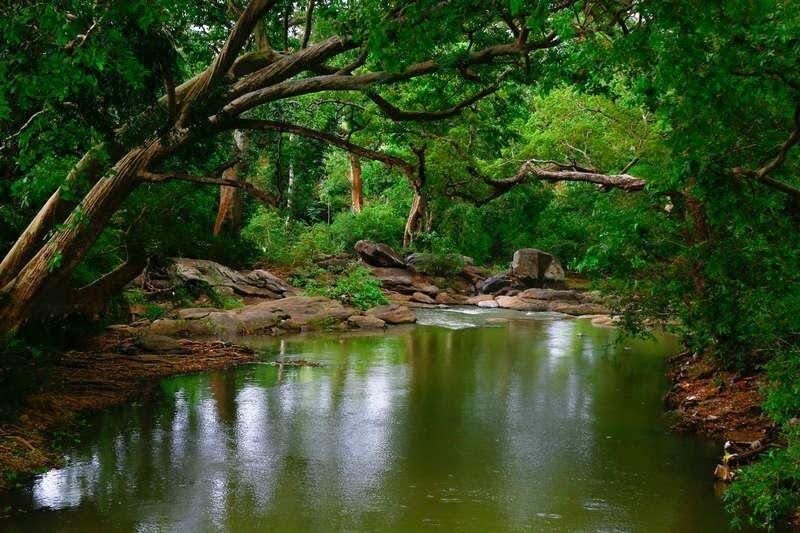
Before you do anything else, head to the river. The Menik Ganga, the "river of gems", runs right through Kataragama and pretty much everyone stops there first for a bath, or at least a splash of water on the face and hands. It's the traditional way of arriving clean before the temple, and it's also just a really nice way to start the day, especially after a long bus ride. Don't overthink it. Watch what everyone else is doing and do the same.
The bathing spots near the main bridge are the busiest. If you want a quieter dip, walk a little upstream. Keep your valuables with someone on the bank, and remember this is a sacred river, not a swimming pool, so no shampoo, no soap, no shouting.
The Kataragama Temple Complex
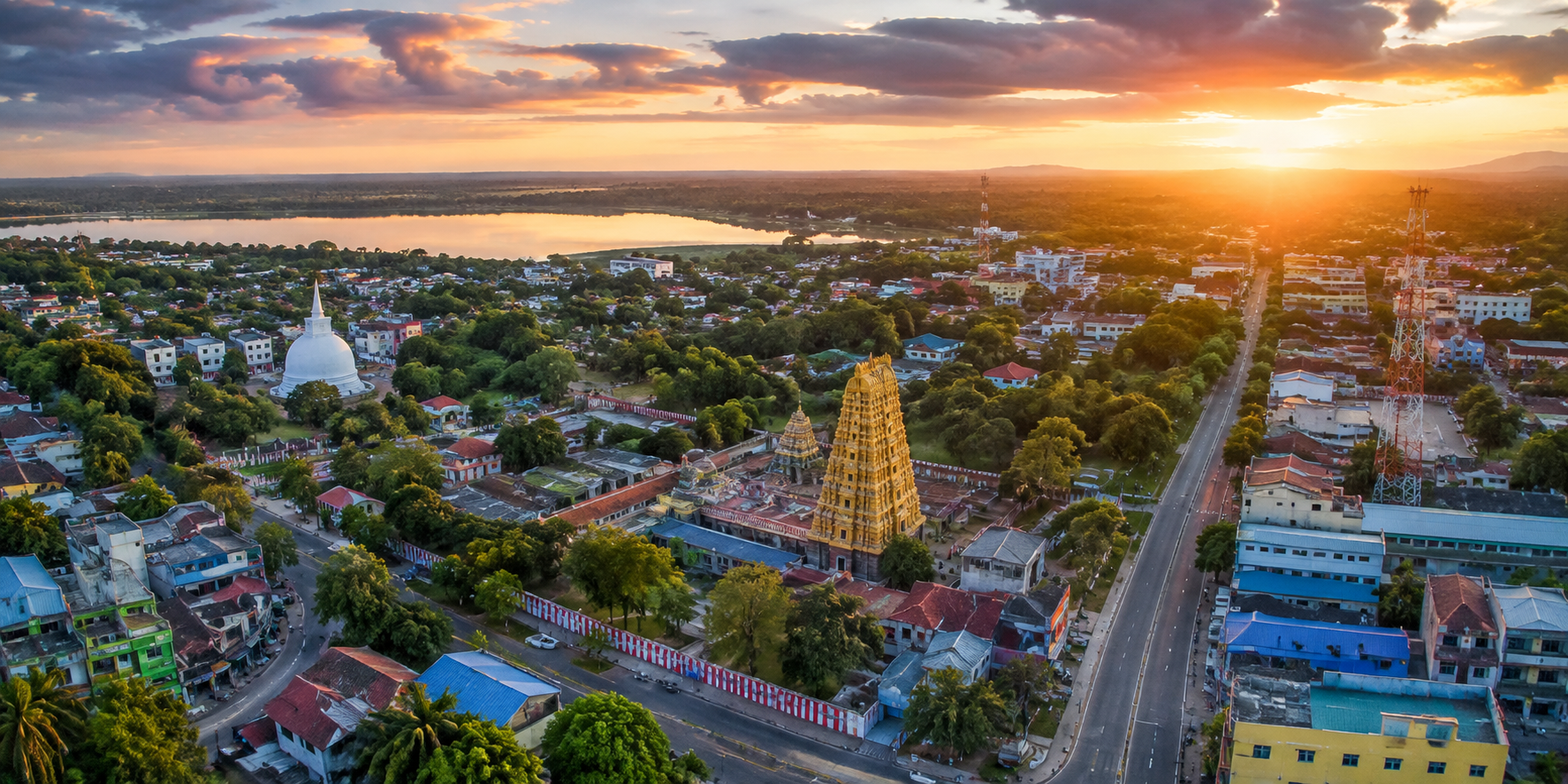
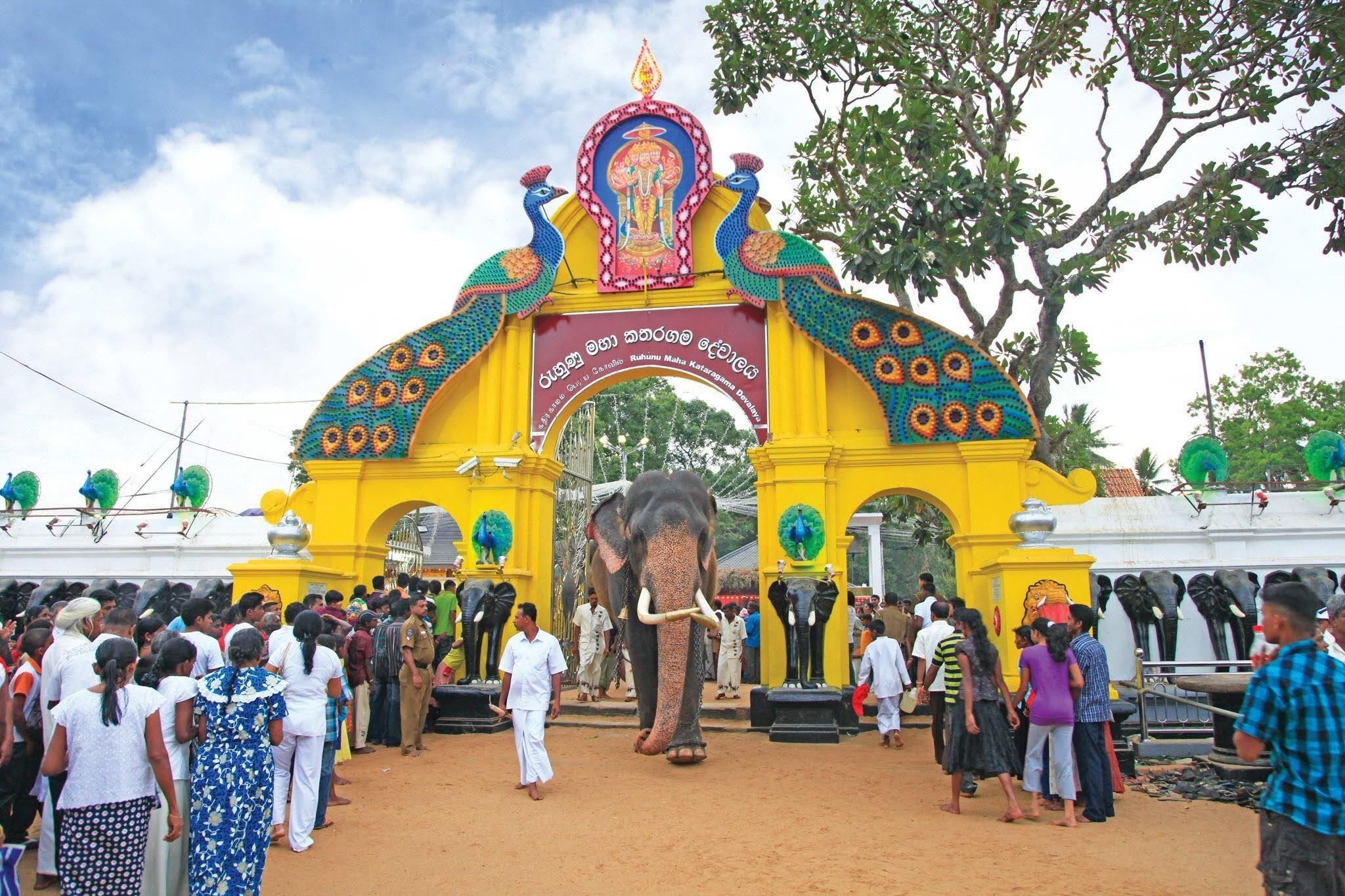
The main event is the Ruhunu Maha Kataragama Devalaya, dedicated to the god Kataragama, who you might know as Skanda or Murugan depending on where you're coming from. Take it slow in here. There's a hum to the place that we haven't felt at many other temples in the country. What's unusual is that the main shrine has no visible statue. Offerings of fruit, usually on a tray you buy from the stalls outside, are handed to the kapuralas at the shrine door, and the blessing is done behind a curtain.
A couple of minutes' walk away you've got the Kiri Vehera, a plain white stupa that tradition dates back over two thousand years and that's oddly calming to sit in front of. There's also a mosque and shrine associated with the Muslim saint al-Khidr, and the Valli Amma Devalaya on the other side of the complex. Go and see all of them if you can. It's a little lesson in how different faiths get on with each other here without making a big deal out of it.
Pooja times at Kataragama
If you can plan around it, be there for a pooja. The daily poojas at the Maha Devalaya are usually at 4.30 am, 10.30 am and 6.30 pm, with a slightly different schedule on some days, so it's worth checking at the temple when you arrive. The evening pooja is the one most people aim for. Drums, smoke, the crowd pressing towards the shrine, and then everyone spilling out into the warm night. It's the moment that stays with you.
A few practical things
Cover your shoulders and knees, shoes off before you step into the shrine areas, and keep your voice down. White or light-coloured clothes are the norm for pilgrims but nobody expects a visitor to match. Entry is free. Nobody's going to tell you off, but that's how you move through a place like this.
Make Time for Sella Kataragama
This is the one people miss. Sella Kataragama is about 4 to 5 km from the main temple and it's the quieter, more atmospheric side of the whole trip. The story goes that this is where Skanda first met Valli, the Vedda girl who later became his consort, and there's a stillness about the place that fits. You cross the Menik Ganga, walk past a row of little shops selling sweets and offerings, and come to a cluster of shrines under the trees, a Ganesh kovil, a Shiva kovil, one for Valli Amma, with the river right there beside you.
Most people doing the pilgrimage properly treat this as a must, not an add-on. A tuk-tuk or the local bus will get you there in ten minutes, or walk it if you're feeling energetic. Early morning or late afternoon is best. Cooler, and far fewer people. Watch out for the monkeys, they have a keen interest in whatever's in your hands.
Eat at a Bath Kade
Kataragama town is known for its bath kades, the simple rice and curry places, and some of the best home-style food we've had on a trip has been at one of these. Cheap, no frills, and exactly what you want after a morning of walking. You'll find most of them along the main road between the bus stand and the temple. Don't go hunting for anything fancy. Find one that's busy and eat where the locals are eating. And try the buffalo curd and treacle if you see it, this part of the south does it particularly well.
If You've Got the Time, Pair It With Yala
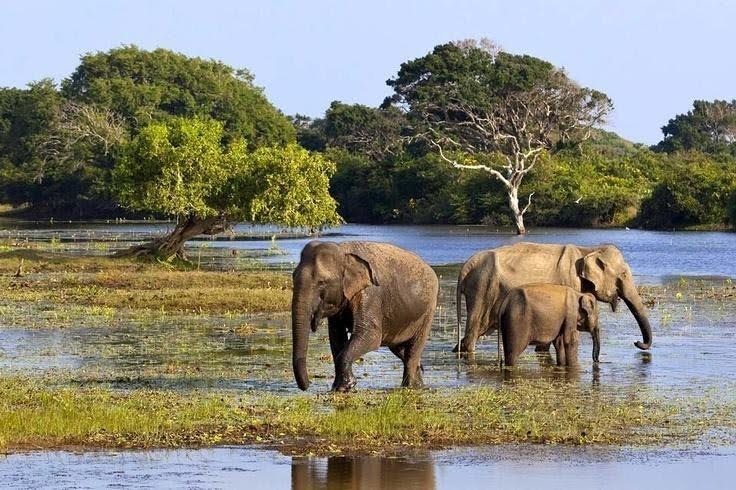
Yala National Park is right next door, so if you've already come this far south it'd be a shame not to add a safari. The Katagamuwa entrance is only a few kilometres out of town, and the main Palatupana gate is a bit further along. Go early morning for the wildlife. Elephants are pretty much a given, leopards if luck's on your side, plus crocodiles, wild boar and more birds than you'll be able to name. It's a completely different pace from the temple town you just left, and a spiritual morning followed by a wild afternoon is a combination we'd recommend to anyone. Book your jeep the day before if you can, especially on weekends.
A Quick Heads-Up on Timing: The Kataragama Esala Perahera
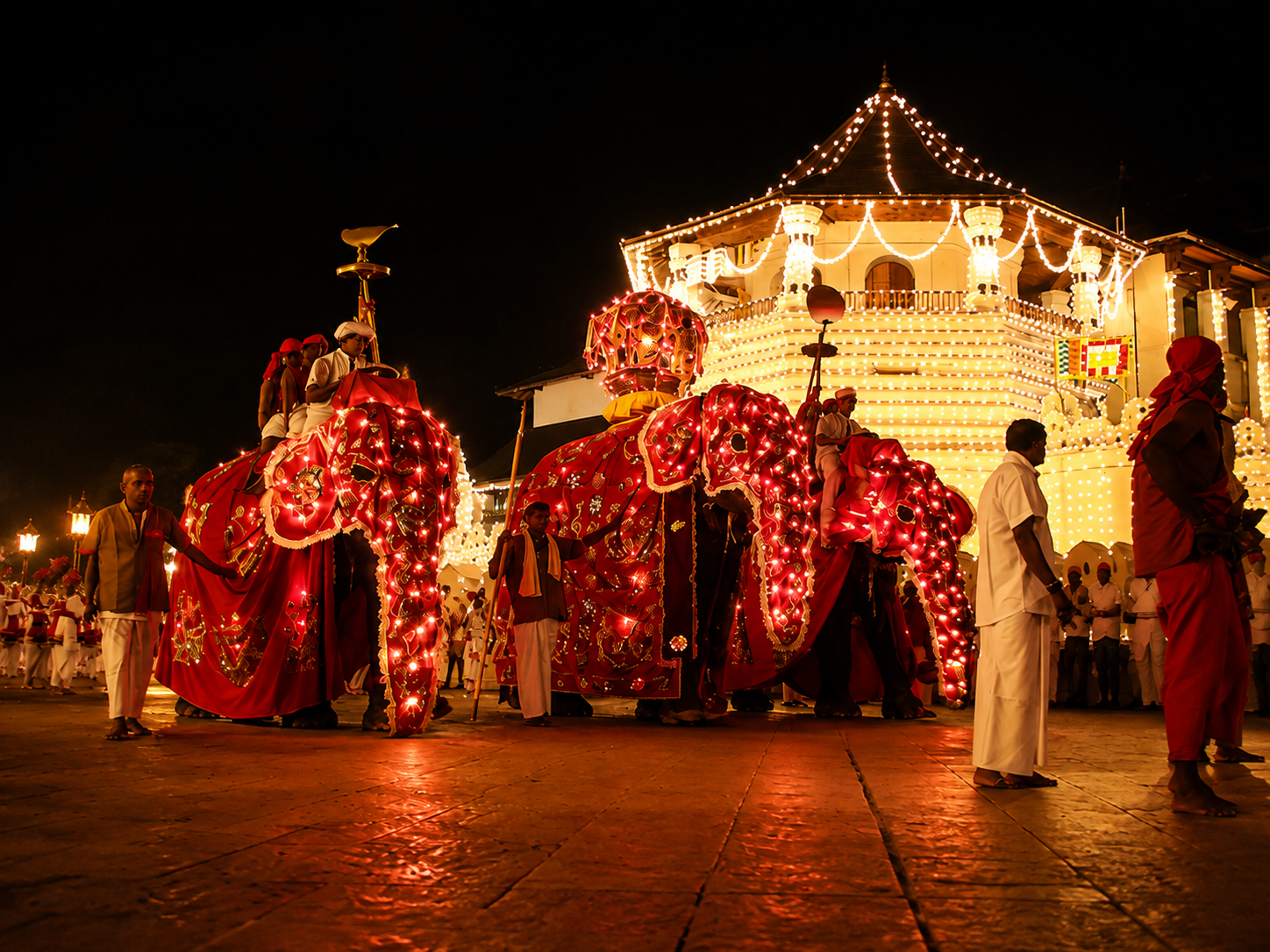
If you're going for the big Esala festival in July and August, just know that's a different beast altogether. It runs for around two weeks in the lead-up to the Esala full moon, with a perahera every night, kavadi dancers, fire walking on the final nights and the water-cutting ceremony in the Menik Ganga to close it off. It's an incredible thing to witness. It's also huge crowds, a lot more intensity, and rooms get booked out well in advance.
Outside of festival season, which is when most people go, Kataragama is quiet and calm and every bit as worth the trip. You get the temple and the river more or less to yourself. Poya days and weekends are busier than weekdays, so if you want the peaceful version, a midweek visit is the way to go.
Where to Stay
Kataragama has plenty of simple guesthouses and a few nicer hotels, and Tissamaharama, about 20 minutes away, has more options if you're combining the trip with Yala. Most people do it as an overnight, arriving in the afternoon, doing the evening pooja, and heading to the river and Sella Kataragama the next morning. If you're just doing the temple, a day trip from the south coast is very doable.
Getting There: Colombo to Kataragama by Bus
It's a fair trek from Colombo, around 228 km by road, so settle in and let the journey be part of the trip instead of something to get through. Expressway buses on the Colombo–Kataragama route (EX 01/32) use the Southern Expressway most of the way and take roughly four to five and a half hours depending on the service and traffic, a good deal quicker than the old coastal route. They leave from the Pettah Bus Stand on Bastian Mawatha and arrive at the Kataragama bus stand, a short walk or tuk-tuk ride from the temple.
At the time of writing there are three departures a day on Magiya, and each one suits a different kind of trip:
Colombo to Kataragama bus times
Kavindu Express, 7.30 am to 12.45 pm (luxury)
The classic option. You're in Kataragama by lunchtime with the whole afternoon ahead of you, a bath kade lunch first, then the river once the heat eases off, and the evening pooja to finish the day.
Abhimani Highway Superline, 12.30 pm to 4.30 pm (luxury)
The fastest run at four hours flat. Perfect if you're working the morning and still want to make the 6.30 pm pooja. Drop your bag, walk to the river, and you'll be at the shrine with time to spare.
Air Rose Express, 7.30 pm to 12.20 am (super luxury)
The overnight one. Sleep through the expressway, land in Kataragama after midnight and be up for the 4.30 am pooja and the river at first light, which is quite something. Just have your guesthouse know you're arriving late.
All three were LKR 2,340 a seat when we checked, and every one of them is a certified operator on Magiya, so what's on the page is what turns up. Times do shift with the season, so check the live listing before you plan the day around it.
Pick the seat you want, and have the ticket sitting on your phone before you leave the house. One less thing to think about on the day. If you're coming from Galle, Matara or Hambantota, buses run along the coast and up through Tissamaharama too.
See Pettah to Kataragama buses and book your seat on Magiya →
In Short
Bathe in the Menik Ganga, walk the temple complex slowly, catch a pooja, cross over to Sella Kataragama for the quieter side of things, eat at a bath kade, add Yala if you've got a spare day, and go in with a bit of quiet respect. That's really all Kataragama asks of you.
Kataragama FAQs
How far is Kataragama from Colombo?
About 228 km. On an expressway bus from Pettah it's roughly four to five and a half hours depending on the service.
What are the Kataragama temple pooja times?
Usually 4.30 am, 10.30 am and 6.30 pm. The evening pooja is the busiest and most atmospheric.
When is the Kataragama Esala Perahera?
July to August every year, in the two weeks before the Esala full moon. Dates shift with the lunar calendar, so check the year's schedule before you book.
Is there a dress code at Kataragama?
Cover shoulders and knees, remove shoes in shrine areas, and dress modestly. White or light colours are traditional but not compulsory.
What time do buses leave Colombo for Kataragama?
Currently 7.30 am, 12.30 pm and 7.30 pm from Pettah Bus Stand, all on the EX 01/32 expressway route. Fares were LKR 2,340 at the time of writing. Check Magiya for live times and seats.
Can you visit Yala from Kataragama?
Yes. The park adjoins the town and safari jeeps can pick you up from your guesthouse for an early morning drive.
Explore Sri Lanka's bus routes and book your next journey at Magiya.lk.